Featured

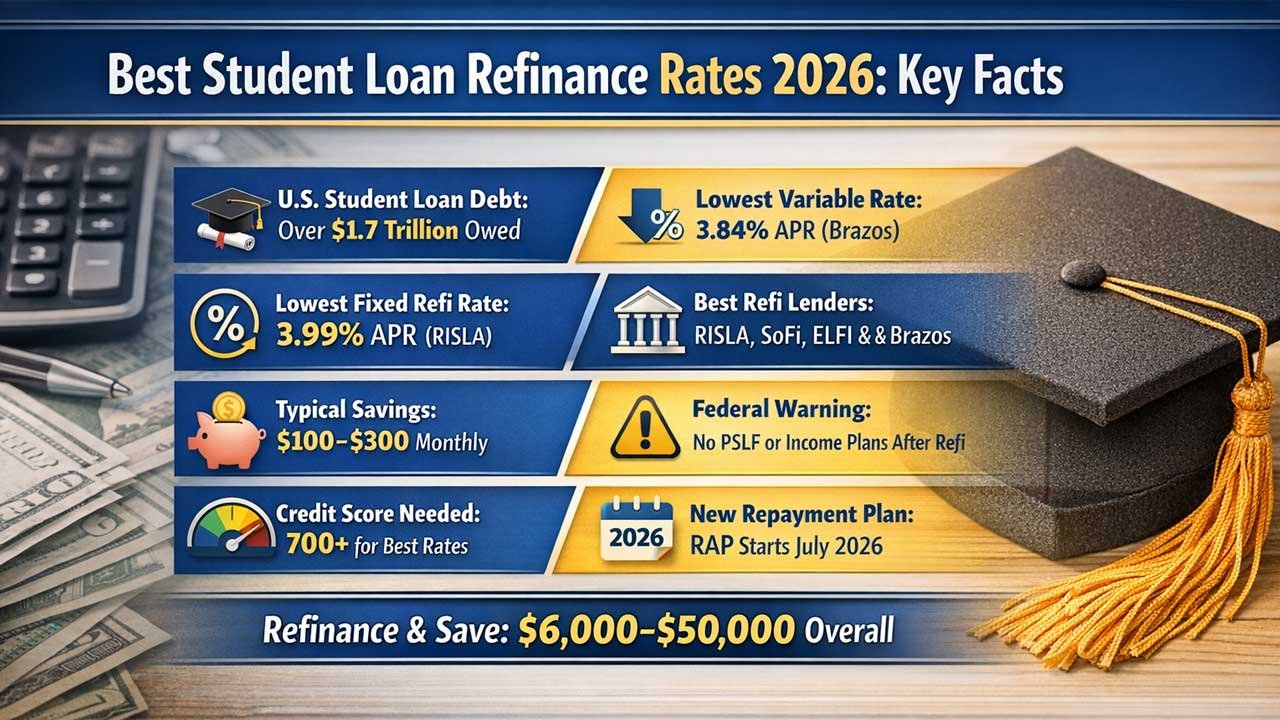
Checking Out Nonprofit Debt Debt Consolidation Options for Local Citizens
Table of Contents
- – Analyzing Rates Of Interest Moves for Metro Areas
- – Fixed-Rate Combination Loans versus Variable C...
- – Not-for-profit Financial Obligation Management...
- – The Mechanics of Rates Of Interest Negotiatio...
- – Examining Financial Literacy and Long-Term St...
- – Regional Outlook for the Remainder of 2026
Analyzing Rates Of Interest Moves for Metro Areas
The 3rd quarter of 2026 finds the credit market in a state of cautious recalibration. After a number of quarters of varying central bank policies, the expense of unsecured loaning has reached a plateau that presents both hurdles and opportunities for households in the local market. While the fast rate walkings seen in previous years have slowed, the baseline for individual loans stays greater than the historical averages of the early 2020s. For people managing high-interest charge card balances, the look for a viable consolidation path has actually become a matter of regular monthly capital survival rather than simply simple interest savings.Current data for Q3 2026 recommends that top-tier debtors-- those with credit report above 760-- can expect personal loan rates to hover in between 7.5% and 9.2%. However, for the typical customer in across the region, rates are most likely to fall in the 12% to 18% range. This disparity has actually resulted in a renewed interest in alternative debt management structures. Market shifts towards Debt Management suggest a need for sustainable repayment instead of simply shifting balances from one high-interest loan provider to another. As loan providers tighten their requirements, the approval process has actually ended up being more stringent, frequently requiring evidence of steady earnings that represents 2026 cost-of-living changes.
Fixed-Rate Combination Loans versus Variable Choices in the Local Region
The choice in between fixed and variable rates in Q3 2026 depends largely on one's danger tolerance and the overall period of the repayment strategy. Fixed-rate personal loans remain the standard suggestion for consolidation since they secure the customer versus future inflation-driven spikes. In the surrounding area, many regional cooperative credit union have become more competitive than national digital banks by offering "community-centric" rates that somewhat damaged the big-box lenders. These smaller organizations frequently offer more personalized underwriting, looking beyond an easy credit report to evaluate a person's total financial health in the context of the 2026 economy.Variable-rate products, though initially more affordable by 150 to 200 basis points, bring considerable risks this late in the year. Economic experts suggest that while rates are stable now, any unexpected shift in global trade or domestic energy costs could trigger a late-year adjustment. For someone intending to pay off financial obligation over a five-year duration, the assurance provided by a fixed month-to-month payment normally exceeds the initial cost savings of a variable rate. Reliable Debt Consolidation Programs has ended up being a frequent topic of discussion among monetary coordinators who see the long-term benefit of locking in costs today.
Not-for-profit Financial Obligation Management as an Alternative to Borrowing

Not every home in the local community gets approved for a low-interest individual loan, particularly if their debt-to-income ratio has already gone beyond 40%. This is where the function of Department of Justice-approved nonprofit credit counseling firms ends up being essential. Organizations like APFSC provide a mechanism that does not rely on new credit. Instead of taking out a loan to settle financial institutions, a Financial obligation Management Program (DMP) combines numerous unsecured financial obligations into a single monthly payment.The main advantage of this approach in 2026 is the ability of the firm to work out straight with creditors. Even when market rates for individual loans are high, these nonprofits can often protect rate of interest decreases down to 0% or 10% since of recognized relationships with major banks and charge card issuers. This makes the DMP an effective tool for those who find themselves priced out of conventional consolidation loans. Demand for Debt Consolidation in San Antonio shows a shift towards these structured relief designs as consumers prioritize overall debt removal over credit report optics.
The Mechanics of Rates Of Interest Negotiation in 2026
In the present Q3 environment, lenders are typically more ready to cooperate with nonprofit companies than with specific customers. The reason is basic: banks prefer an ensured, albeit lower-interest, payment stream over the danger of a total default or insolvency filing. When a company like APFSC steps in, they offer a standardized framework that loan providers trust. This procedure involves an in-depth budget analysis, making sure that the proposed regular monthly payment is reasonable provided the existing 2026 costs for housing and groceries.For citizens of the local area, this not-for-profit intervention can indicate the distinction between a years of minimum payments and a clear three-to-five-year course to zero balance. The program doesn't just lower the interest; it typically eliminates late costs and over-limit charges that can otherwise keep a balance growing in spite of regular payments. This methodical reduction of the principal balance is the most efficient method to fight the compounding interest cycles that characterize 2026 charge card financial obligation.
Examining Financial Literacy and Long-Term Stability
Beyond the immediate varieties of Q3 2026 rates of interest, the long-term success of financial obligation combination depends upon behavioral modifications. Professional credit counseling involves more than just rate shopping. It includes an instructional element that assists participants comprehend the source of their financial tension. Whether it is a medical emergency situation, a period of joblessness, or merely the increasing costs of residing in various states, determining the "why" is as crucial as handling the "how much." Not-for-profit companies often offer these educational resources totally free or at an extremely low expense, as part of their 501(c)(3) mission. This consists of HUD-approved housing therapy for those whose debt might be threatening their homeownership or their ability to lease in a costly 2026 market. By combining lower rate of interest with better financial practices, these programs provide a more holistic healing than a simple bank loan, which may simply clear the cards and leave the customer's costs practices the same.
Regional Outlook for the Remainder of 2026
As the last months of 2026 method, the credit environment in regional hubs is expected to remain tight. Lenders are enjoying work data carefully, and any sign of a softening labor market will likely lead to even greater interest premiums for "risky" borrowers. This makes the present moment in Q3 an ideal time to lock in a consolidation technique. Whether choosing a high-street individual loan or a not-for-profit debt management plan, the goal remains the same: minimizing the overall cost of financial obligation and recovering control over one's monetary future.For those in the local market, the local availability of 501(c)(3) support means that assistance is available regardless of credit rating. The 2026 economy has actually shown that financial stability is often a matter of using the right tools at the correct time. By comparing the top loan rates versus the potential savings of a worked out management strategy, people can make an informed choice that stabilizes immediate relief with long-term goals. The path to debt-free living in 2026 is hardly ever a straight line, but with a structured plan and expert guidance, it remains a reachable reality for numerous.

Table of Contents
- – Analyzing Rates Of Interest Moves for Metro Areas
- – Fixed-Rate Combination Loans versus Variable C...
- – Not-for-profit Financial Obligation Management...
- – The Mechanics of Rates Of Interest Negotiatio...
- – Examining Financial Literacy and Long-Term St...
- – Regional Outlook for the Remainder of 2026
Latest Posts
Streamlining Financial Obligation for Long-Term 2026 Success

Why Customers in Your Area Need Better Tools

How to Browse the 2026 Real Estate Market With HUD
More
Latest Posts
Streamlining Financial Obligation for Long-Term 2026 Success
Why Customers in Your Area Need Better Tools
How to Browse the 2026 Real Estate Market With HUD